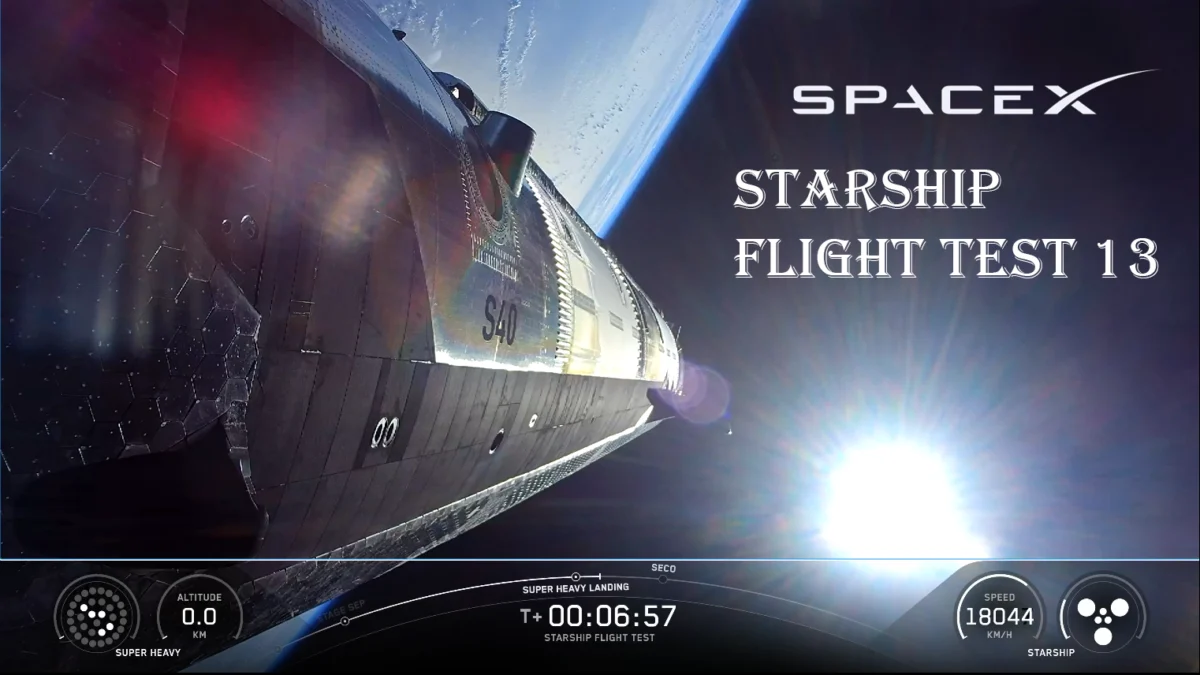

Have you seen the headlines about SpaceX Starship Flight 13, the launch everyone’s calling “the world’s biggest rocket,” and wondered what actually happened? I went through the primary sources, the government filings, and SpaceX’s own updates to piece together what Flight 13 really did, what went right, what went a little rough, and why NASA is watching so closely. By the end of this, you’ll know exactly what happened on July 24, 2026, and where to check the receipts yourself.
What Was SpaceX Starship Flight 13, Exactly?
SpaceX Starship Flight 13 was the 13th test flight of SpaceX’s Starship rocket system, and it lifted off on July 24, 2026, from the company’s Starbase site in South Texas, according to SpaceX’s own mission page. If you’re new to this, Starship is really two rockets stacked on top of each other. The first stage is a booster called Super Heavy, and its only job is to muscle the whole stack off the pad. The second stage, called Ship, then carries the payload the rest of the way. It’s a bit like a relay race: Super Heavy sprints the first leg, hands off, and Ship carries the baton home.
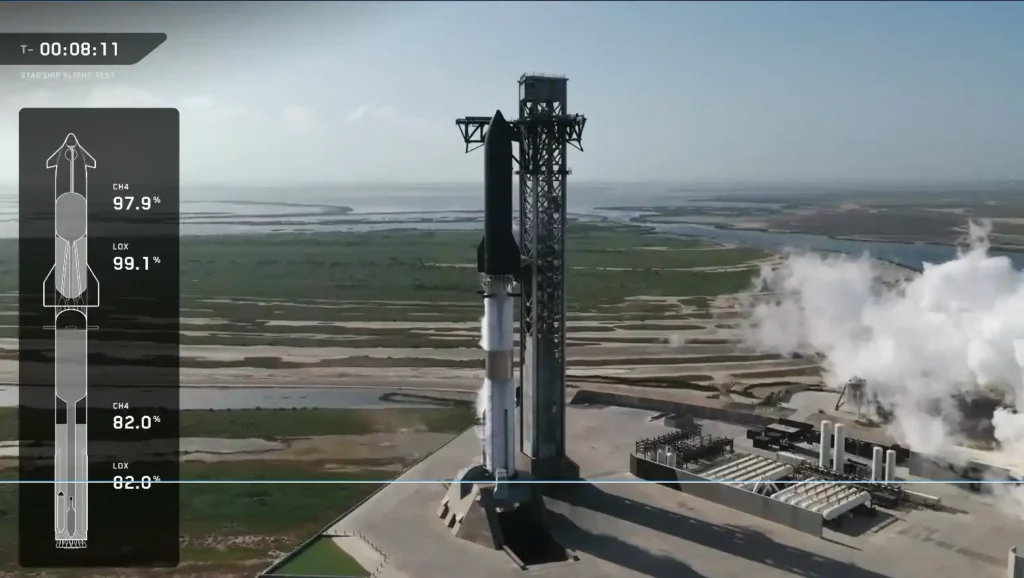
This particular flight used Booster 20 and Ship 40, and it marked only the second flight of the newer, larger Starship V3 design, per Wikipedia’s flight log for the mission. Fully stacked, the rocket stands somewhere around 400 feet tall, and the Super Heavy booster alone can generate up to 18 million pounds of thrust at liftoff, according to Space.com’s mission preview. That’s more than double the thrust of the Saturn V rockets that once sent Apollo astronauts to the moon.
Why Did the First Launch Attempt Abort?
SpaceX’s first launch attempt for SpaceX Starship Flight 13 came on July 16, and it didn’t get off the ground. At T-0, the exact second liftoff was supposed to happen, the rocket’s flight computer noticed that four of Super Heavy’s 33 Raptor engines hadn’t reached the pressure and timing readings they needed, so it automatically called off the launch, according to Wikipedia’s mission summary. I actually think this counts as the system working exactly as designed. The whole point of an automatic abort is to catch a problem before it turns into a much bigger one on the pad.
CEO Elon Musk confirmed the cause shortly after, writing on social media, “To be confident of a good flight, 2 Raptors will be removed & replaced,” according to his post cited by Space.com. That set the stage for over a week of repair work before SpaceX could try again.
How Did SpaceX Get Back to the Pad?
Getting SpaceX Starship Flight 13 ready for a second try took real work, not just a quick fix. SpaceX rolled both Booster 20 and Ship 40 back to the factory, swapped out several Raptor engines on the booster, and ran another round of fueling and engine tests, according to Spaceflight Now’s coverage of the turnaround. On July 22, the company wrapped up that additional testing and posted an update warning that “weather is currently a significant watch item for launch,” a line that turned out to be more accurate than anyone probably hoped.
That weather concern was right on the money. SpaceX aimed for a July 23 launch, but scrubbed it because of Tropical Storm Bertha moving through South Texas, pushing the attempt to July 24 instead, according to the official SpaceX statement posted to X. Meanwhile, the Federal Aviation Administration had already cleared the regulatory path days earlier. On July 13, the agency closed its investigation into the previous flight’s booster failure and confirmed there were “no reports of public injury or damage to public property,” per the FAA’s official statement. Once that box was checked, weather was the only thing standing between SpaceX and launch.
What Happened During the Actual Flight?
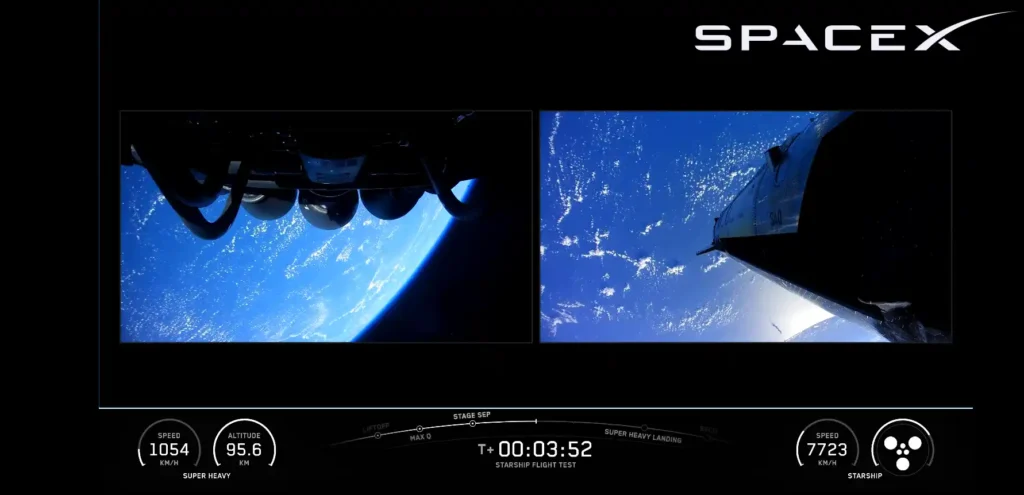
SpaceX Starship Flight 13 finally lifted off at 6:51 p.m. EDT (2251 GMT) on July 24, according to Space.com’s post-launch report. Minutes in, Super Heavy separated from Ship and headed back toward the Gulf of Mexico for its own landing attempt. That part didn’t go perfectly: live commentary indicated only around five of the 13 engines needed for the booster’s landing burn actually fired, so it hit the water harder than planned. Still, that counts as usable flight data, which is really the whole point of a test.
Ship, meanwhile, had a better day. While coasting on its suborbital path, it deployed 20 next-generation Starlink V3 satellites, the first time SpaceX has released production satellites from Starship instead of test simulators. Six of those satellites carried cameras aimed back at Ship to study how its heat shield held up during the trip. Ship then successfully relit one of its six Raptor engines in space, a maneuver future orbital missions will depend on, before heading into reentry.
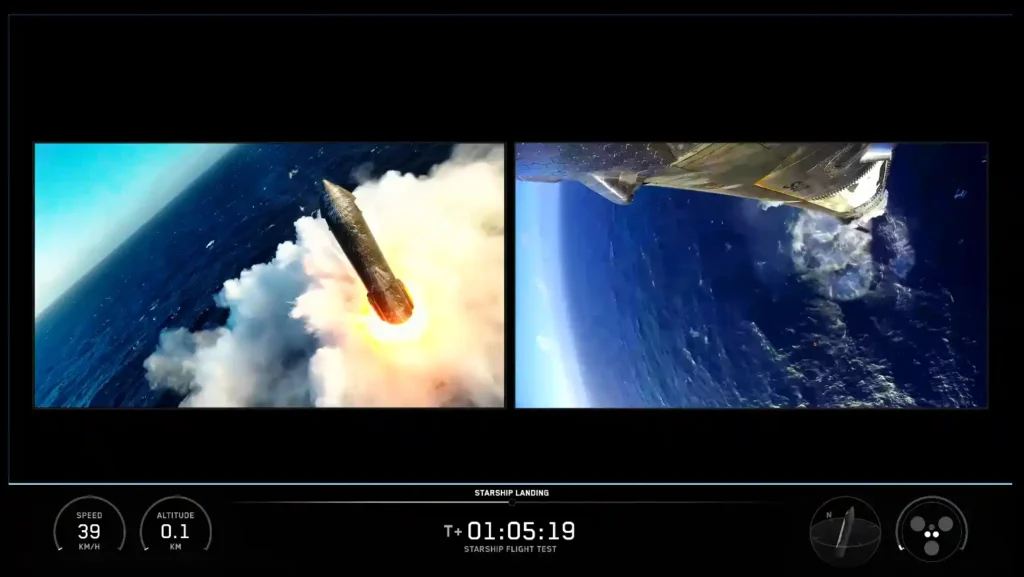
Then came the part nobody quite expected. Instead of breaking apart on splashdown like most previous test flights, Ship settled into the Indian Ocean and stayed intact, tipping over to float on the surface. Musk summed it up on social media: “Starship is intact, floating in the ocean and transmitting telemetry!” according to his post shared by Space.com. SpaceX called it the softest splashdown the vehicle has ever managed. NASA Administrator Jared Isaacman also weighed in publicly, congratulating the team and noting how much the agency is counting on Starship for future moon missions, per his post on X.
Common Mistakes People Make Reading About This Launch
News about SpaceX Starship Flight 13 spreads fast, and a few details tend to get twisted along the way. Here’s what’s worth clearing up if you’re catching up on this story secondhand:
- Thinking Starship reached orbit: It didn’t, and that was never the plan. Like every flight before it, Flight 13 flew a suborbital path that ends with a splashdown, not an orbital insertion.
- Assuming the booster’s rough landing means the mission failed: Test flights exist to gather data, and a hard splashdown on the booster still hands SpaceX’s engineers something to learn from. Ship’s near-flawless performance is what most outlets are calling the headline result.
- Treating the deployed Starlink V3 satellites as new internet service: These 20 satellites were expendable test units following the same suborbital path as Ship. They burned up in the atmosphere as planned rather than joining the working constellation.
What’s Next for Starship?
This SpaceX Starship Flight 13 mission put SpaceX a bit closer to some big remaining goals. The company still needs to send a Starship all the way into orbit, something it hasn’t done in 13 tries, and eventually catch a returning Ship with the launch tower’s mechanical arms the way it already does with Super Heavy boosters. On top of that, SpaceX has to prove out in-space refueling and finish a crewed lunar lander version of Starship, since NASA is counting on the vehicle for its Artemis moon missions as soon as 2028, according to Space.com’s coverage of the mission’s next steps.
Quick FAQ
Did Starship reach orbit on Flight 13? No. It flew a suborbital trajectory, same as every Starship flight so far.
What’s Starlink V3? It’s SpaceX’s next-generation internet satellite, bigger than the current version and built to use laser links to connect with the rest of the Starlink network.
When’s the next Starship flight? SpaceX hasn’t announced an official date yet. Checking SpaceX’s own launches page is the most reliable way to catch the announcement first.
Conclusion
So, what actually happened on SpaceX Starship Flight 13? SpaceX finally got its newest Starship off the ground after two scrubbed attempts, watched the booster take a harder hit than planned, and then got a genuinely surprising win when Ship splashed down in one piece for the first time. It’s a mixed result, but a mixed result full of useful data is exactly what a test flight is supposed to deliver. If you want to keep tabs on the next flight as it happens, bookmarking SpaceX’s own mission page is probably the easiest way to catch it live.
Sources and Trust Ratings
- Federal Aviation Administration (faa.gov): The U.S. government regulator overseeing Starship launches. This is the highest-authority source available for anything involving safety clearances and mishap investigations. FAA statements page
- SpaceX (spacex.com and official X account): The primary source for mission details, timelines, and technical objectives, straight from the company running the launch. Official mission page
- Space.com (Future US): A long-running, dedicated spaceflight news outlet that covered this launch live from start to finish. Flight 13 splashdown report
- Spaceflight Now: A specialist launch-tracking outlet known for detailed, technical mission coverage. Pre-launch coverage
- SpaceNews: A trusted trade publication covering the space industry, useful for regulatory and business context. Flight 13 background
- Wikipedia: Useful for a quick timeline overview, but crowd-edited, so I cross-checked its claims against the sources above rather than relying on it alone. Starship Flight Test 13 entry
The official SpaceX statement on social media, confirming the weather-related delay to July 24 and the plan for that attempt, is posted here: x.com/SpaceX/status/2080384481043656948. For the CEO’s real-time confirmation that Ship survived splashdown intact, see Elon Musk’s post on X.

 TechPro Master